Where Lochs Meet Sky: Highland Shores Alive with Wings
We’re exploring the Best Highland Lochshore Trails for Wildlife and Birdwatching, guiding you along reed-fringed paths where ospreys stoop, divers call, and red deer lift their heads to daylight. Expect clear directions, respectful fieldcraft, seasonal tips, and gear advice shaped by lived walks, sudden rain, and sunlit breaks. Wander slowly, breathe the resin of Scots pine, and let still water turn into a mirror for patience, wonder, and unforgettable sightings.
Finding Quiet Water and Moving Air
{{SECTION_SUBTITLE}}

First light on pine and heather loops
At first light, loch air feels newly washed, and tracks still write their stories in dew. Walk slow, pausing near pines where crossbills chatter, then edge to heather benches overlooking reedbeds. Many shy birds feed confidently now, while water remains glassy for easy scanning.

Midday thermals and open-water watchers
When the day warms, raptors ride invisible rivers above the water, circling to read fish movements and gusts. Find a gentle updraft near a slope or promontory, stand back from nests, and let patience turn distant specks into unmistakable silhouettes, behaviors, and thrilling approaches.
Trail Highlights Worth Lacing Up For
Some paths hug pale beaches, others weave through Caledonian pine, yet each offers windows into water, sky, and the drama between them. Below are classic circuits and shoreline links where signage, gradients, and habitats combine to reward slow steps, steady optics, and respectful curiosity.
Loch Maree’s Beinn Eighe shore paths
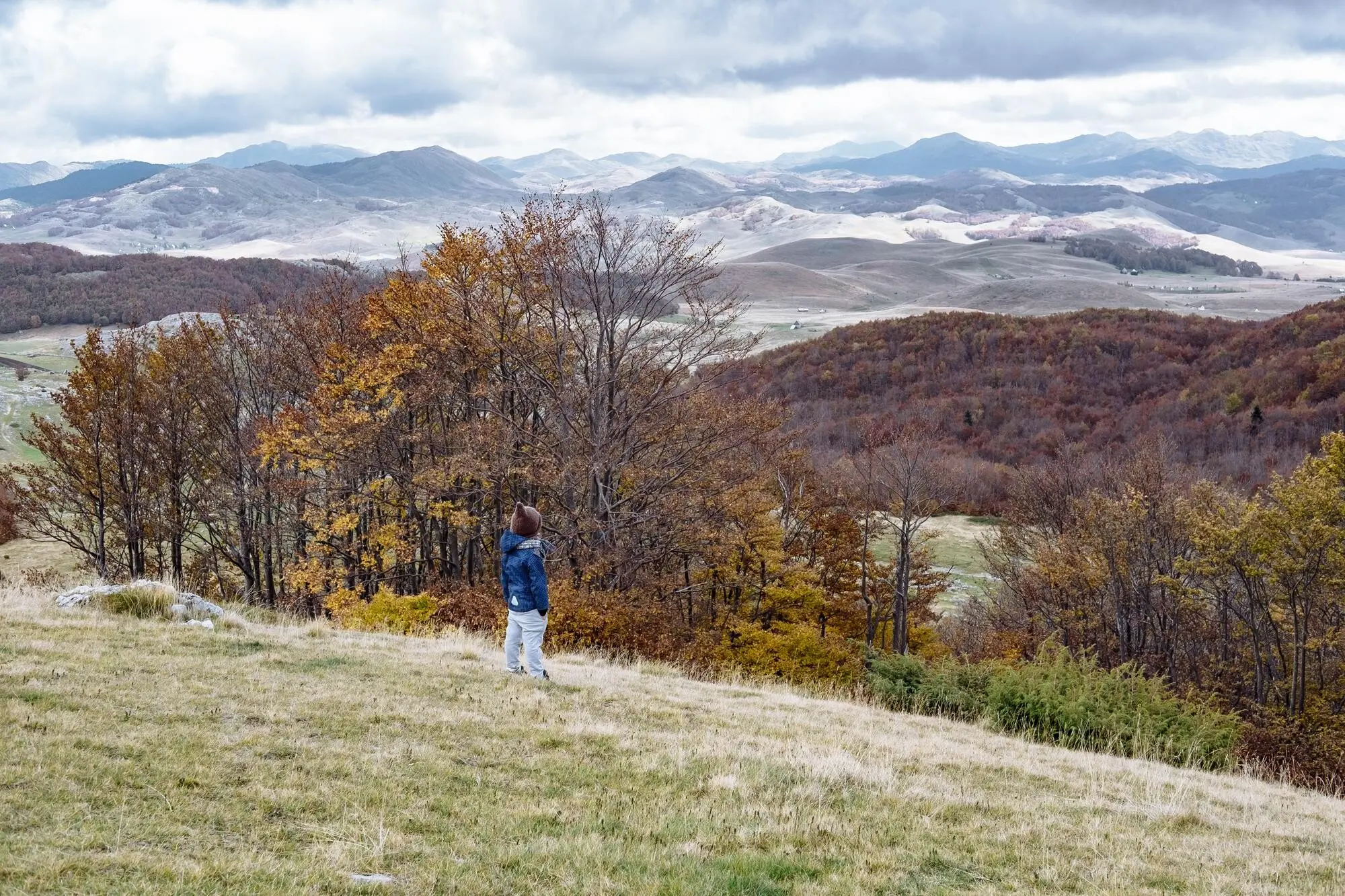
Start near the visitor centre and follow waymarked trails that breathe ancient pine and open onto pebbly coves facing Slioch. Watch for white‑tailed eagles over islands, divers along the drop-offs, and dragonflies in sunny clearings. Boardwalk sections help protect bog plants while keeping feet dry.
Glenfinnan to Polloch beside Loch Shiel
From the viaduct’s sweep, slip into quieter tracks skirting the northern shore, where wooded inlets hold otter slides and rowans mirror crimson berries. The long pull to Polloch rewards with solitude, sweeping views, and regular chances to scan for eagles, mergansers, and distant red deer crossings.
Rothiemurchus circuit around Loch an Eilein
This gentle loop flows between sculpted Scots pines and mirror-calm water, with a castle‑islet anchoring every glance. Ospreys hunt here in late spring, while crested tits work lichened branches. Benches invite unhurried scans, and the even surface welcomes family groups without sacrificing superb wildlife encounters.
Wild Companions at the Water’s Edge
The loch edge is a corridor shared by feathers, fur, and scaled flashes in the shallows. Understanding behaviors lets you predict appearances without intrusion. Learn telltale shapes, feeding patterns, footprints, and sounds, then blend presence with restraint so moments arrive naturally and linger long afterward.

Osprey plunges and patient perches
Ospreys advertise intent with high, insistent calls, then hover like kites before folding into explosive dives. Watch from behind vegetation, keep plenty of water between you and perches, and avoid clustering under favored trees. A respectful buffer ensures repeated returns, more drama, and safer nesting seasons.
Divers, grebes, and haunting summer calls
Listen for the eerie yodel of black‑throated divers over broad bays, and the softer rolling calls of red‑throated divers near narrower reaches. Scan for straight necklines, low profiles, and quick submarine vanishings. In breeding months, maintain extra distance to prevent disturbance during critical family duties.

Otter tracks, red deer crossings, and pine marten shadows
Along damp sand, five‑toed prints and sliding bellies betray otter routes between kelp pockets and holts. Deer slots cross sandy burns at dawn, while pine marten scat lies twisted on stones. Read signs like a diary, then pass through lightly so tomorrow’s script remains legible.
Seasons that Shape Each Footstep
Cycles of light and temperature reshape every step beside the water. Knowing when insects hatch, when fledglings test wings, and when winds soften can turn ordinary loops into abundant encounters. Use these rhythms to time arrivals, pick viewpoints, and give wildlife peaceful space to thrive.
Spring nests and sensitive shorelines
From April onward, waders and waterfowl guard nests close to the ground, and pinewoods ring with capercaillie and crossbill life. Keep dogs leashed, favor established paths, and give vegetated peninsulas an even wider berth. Quick detours now protect future gatherings on these generous, life-rich shores.
High summer: dragonflies, orchids, and long evenings
Warm, windless evenings awaken mayflies and midges, drawing trout into shallows and bringing swallows close to your boots. Orchid spikes color damp edges, dragonflies patrol like jeweled sentries, and distant thunder sometimes builds dramatic skies. Carry water, linger safely for silhouettes, and cherish lingering light.
Autumn gold and winter clarity
After the rut’s echoes fade, frosts clear the air, revealing razor horizons and migrating swans threading silver lanes down the glens. Choose shorter loops, protect warmth between layers, and let low sun backlight feeding parties. Quiet, crystalline days reward patience with clear calls, tracks, and vistas.
Respectful distances and shared spaces
Give birds first choice of space. If they look up, shuffle, or stop feeding, you are too close; back away calmly. Follow the Scottish Outdoor Access Code, leash dogs near livestock and ground nests, and keep voices soft. Your patience today invites wilder trust tomorrow.
Weather, navigation, and simple contingencies
Forecasts in the Highlands shift quickly. Carry a paper map, compass, and the knowledge to use them alongside charged phones with offline layers. Tell someone your plan, note last light, and accept change early. Turning back is wisdom, not failure, and preserves future, safer days.
Midges, ticks, and light-footed habits
Summer midges test good humor; long sleeves, head nets, and calm camps help. Ticks deserve vigilance—check skin, carry removers, and favor trousers tucked into socks. Pack out litter, skip playback calls, and step around fragile plants. Kind habits compound, protecting places that give so much.
Gear That Lets You Notice More
Thoughtful kit magnifies attention rather than dominating the day. Choose tools that feel invisible in hand, favor quiet fabrics, and trim weight so curiosity moves freely. Reliable, modest gear plus practice opens more sightings than heavy, complicated setups that steal time and silence.

All Rights Reserved.